

Steel Raw Material
High-quality steel is essential for producing reliable instruments. At VE Instruments, we carefully select premium imported or high-grade local steel based on customer requirements to ensure durability, precision, and consistent quality in our surgical, dental, and plastic instruments.

Forging
Forging is the process of shaping raw metal into instrument forms using specialized dies and hammers. In this stage, skilled craftsmanship transforms the steel into its initial shape, preparing it for further precise manufacturing processes.

Machining
Machining is the process in which forged instruments are precisely cut and shaped using advanced machines. During this stage, sharp edges are refined and the instrument is formed into its exact design through grinding and finishing. This process requires highly skilled technicians and is performed by experienced instrument specialists to ensure accuracy and quality.

Milling
Milling is the process of drilling precise holes in instruments where screws are required. Different types of specialized machines are used to ensure accurate hole placement and proper pairing of instruments. Even the slightest variation in hole position can affect performance, so this step demands high precision and skilled workmanship.

Filing & Fitting
At this stage, the steel is still soft enough to be shaped accurately through filing. Skilled workers carefully refine the instruments to match the exact design specifications and reference samples. Most of the final shaping is completed here. After filing, each instrument is inspected to ensure correct measurements and precise conformity to the required standards.
Boil Treatment
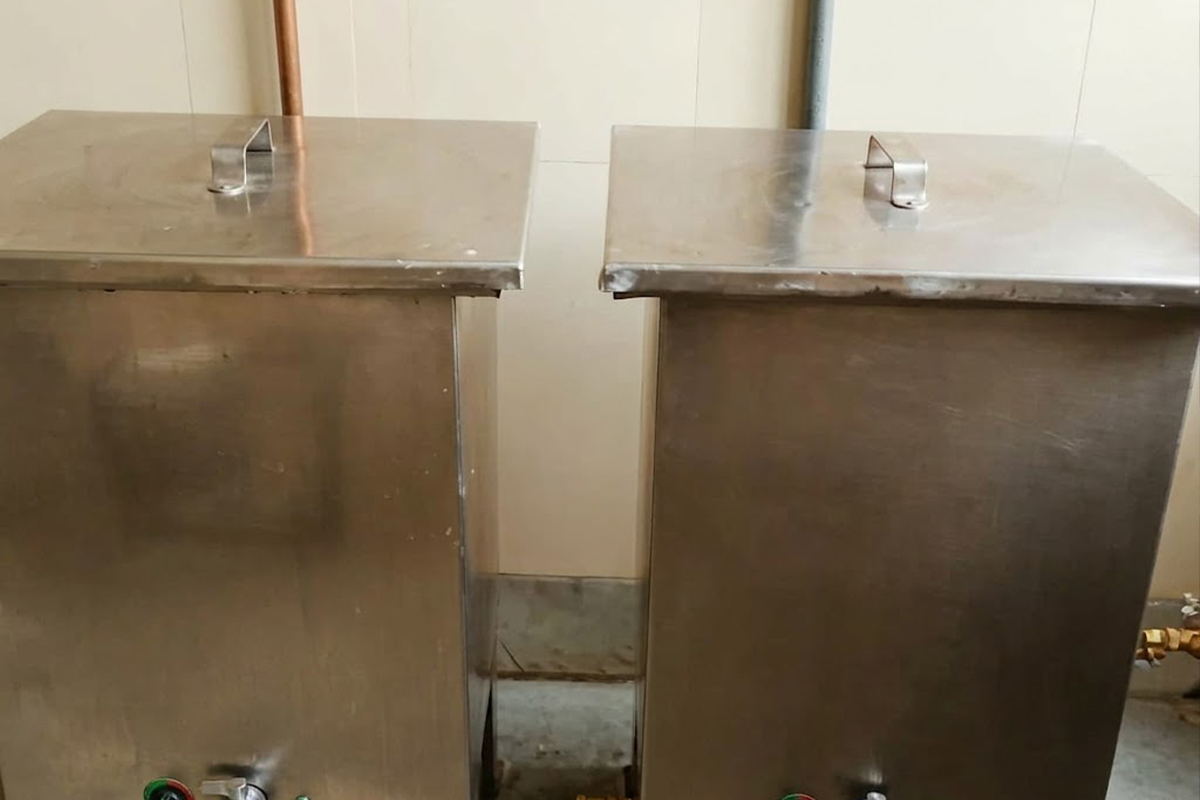
Boil treatment is a sterilization process in which instruments are placed in boiling water for approximately 20 minutes to eliminate contaminants. After the boiling cycle, technicians carefully remove the items using sterilized tools and transfer them immediately into a clean, sterilized container to maintain hygiene and safety standards.

Heat Treatment
Surgical instruments are exposed to extreme conditions during use while still requiring the highest standards of strength, hygiene, and performance. Heat treatment enhances these properties by improving the material’s hardness and durability. With modern technological advancements and the right selection of raw materials, this process ensures instruments consistently meet strict quality requirements.

Joint Grinding
Joint grinding is a precision process used in the manufacturing of orthopedic and medical instruments. It ensures smooth finishing and accurate fitting of components used in joint reconstructive surgeries, such as knee, hip, and shoulder implants. This process requires advanced grinding techniques to achieve high precision, durability, and reliable performance in medical applications.

Pollishing
After electro-polishing and inspection, instruments undergo a detailed polishing process to achieve their final finish. Skilled workers refine the surface using specialized equipment to improve smoothness, alignment, and appearance. The final finish is applied according to requirements, such as mirror, satin, or sand polish, ensuring a high-quality, professional look.
Inspection (Pre-Final / In-Process)
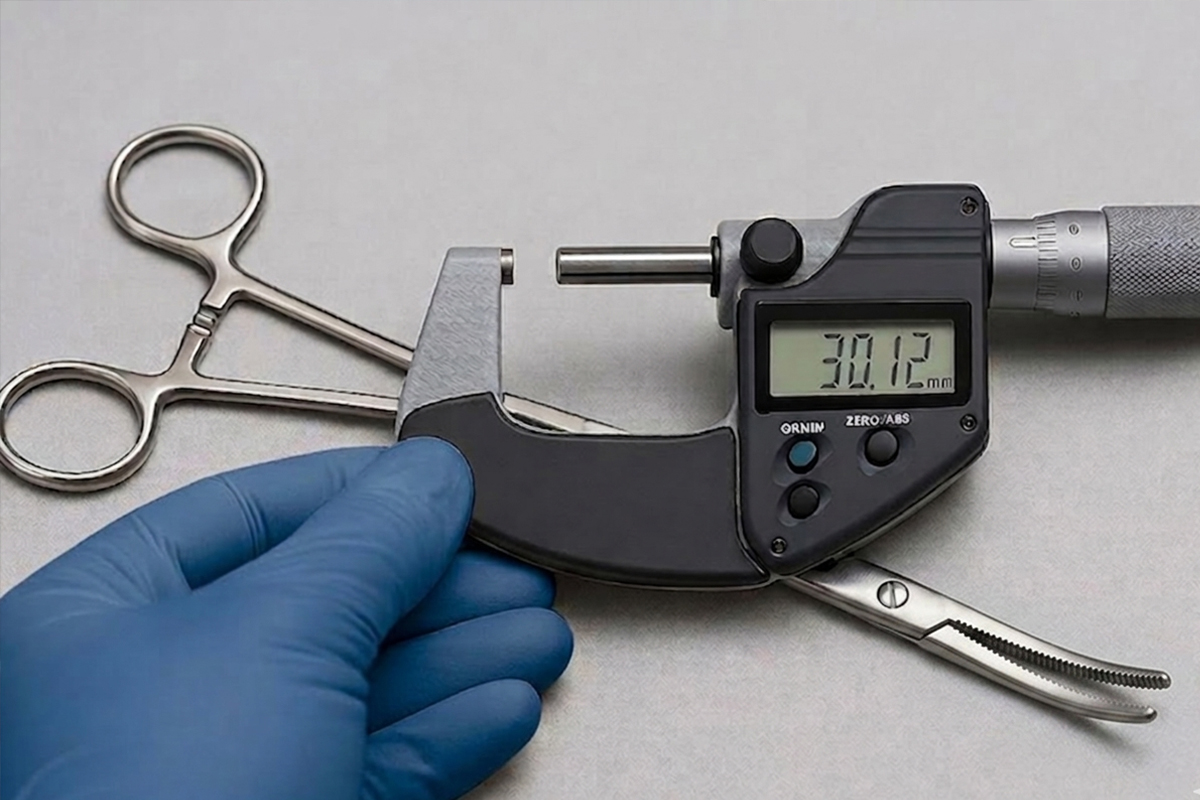
At this stage, instruments are carefully checked during production to identify any surface defects, dimensional errors, or functional issues. The quality control team inspects key areas such as shape, alignment, serrations, and overall workmanship to ensure they meet required standards before final marking and final inspection.

Device Marking
After final inspection approval, all instruments are permanently marked using laser or stencil techniques with their respective product codes for identification and traceability. We also offer OEM services, supplying instruments with customer brand names and customized packaging to meet private label requirements.

Checking
After final cleaning and degreasing, each instrument is carefully inspected by a highly qualified quality control team. Using microscopes and precision tools, every detail is checked, including serrations, ratchets, jaws, and teeth, along with cutting, grasping, and functional performance. This ensures that only fully tested and high-quality instruments are approved for delivery.

Packaging
Instruments are carefully packed in high-quality polythene bags to ensure protection from dust, moisture, and contamination during storage and transportation. This secure packaging maintains product safety and integrity until final use.

Labeling
Each pack is thermally labeled with complete product details, including item name, code, description, and batch or lot number. This ensures clear identification, traceability, and accurate information for end users.
